Almost everyone is bound to have their personal opinions when it comes to Water Heaters Problems.
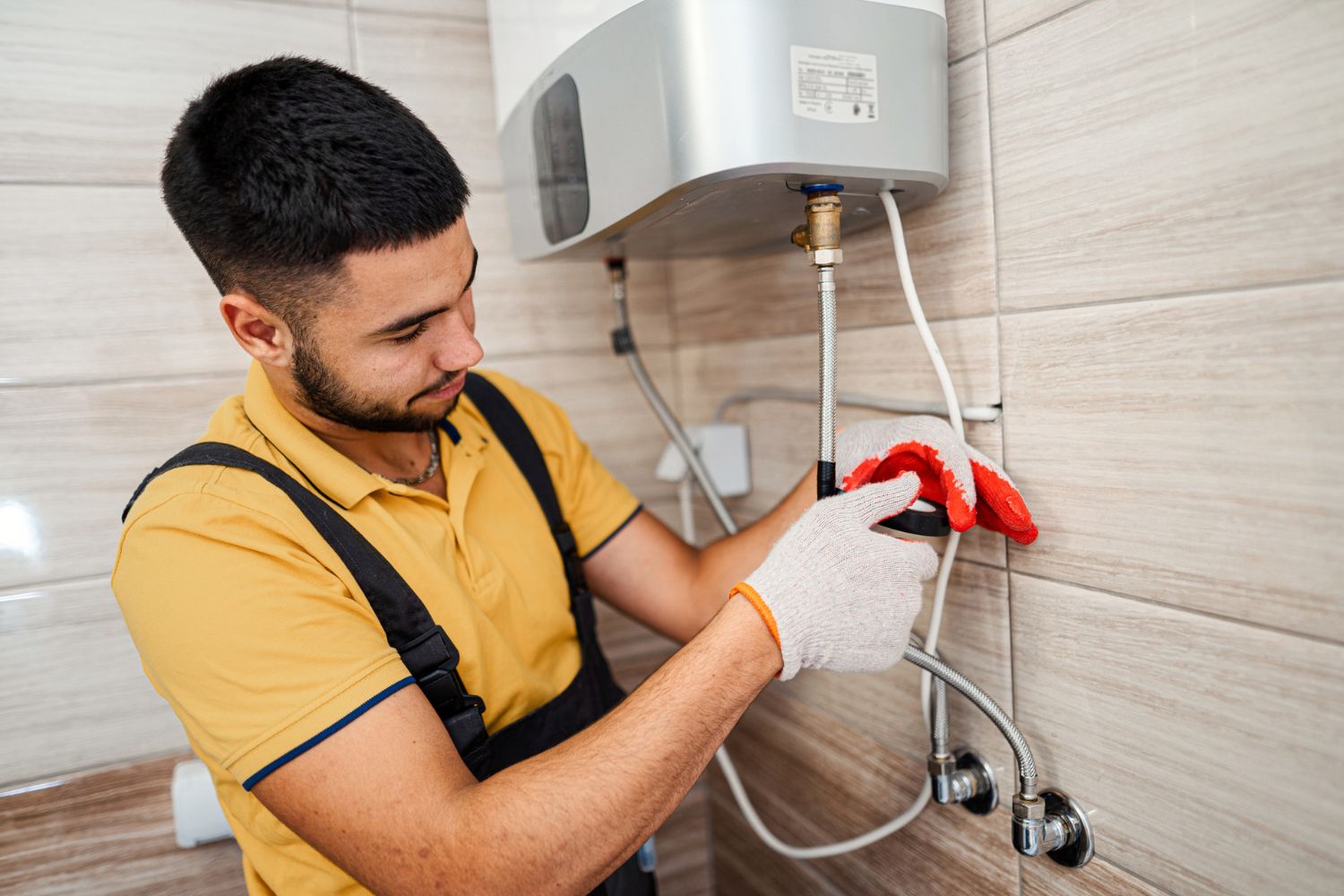
Visualize starting your day without your routine warm shower. That already establishes a bad tone for the remainder of your day.
Every house requires a reputable water heater, however only a few recognize just how to handle one. One simple method to maintain your water heater in leading form is to check for mistakes on a regular basis and repair them as quickly as they appear.
Keep in mind to shut off your hot water heater prior to sniffing around for faults. These are the water heater faults you are probably to experience.
Water as well hot or as well chilly
Every hot water heater has a thermostat that establishes just how warm the water obtains. If the water entering into your residence is too warm regardless of establishing a hassle-free optimum temperature, your thermostat might be faulty.
On the other hand, also cold water may be due to a fallen short thermostat, a busted circuit, or incorrect gas flow. As an example, if you utilize a gas water heater with a busted pilot light, you would obtain cold water, even if the thermostat is in excellent condition. For electrical heating units, a blown fuse might be the offender.
Not enough warm water
Water heaters can be found in many sizes, relying on your hot water demands. If you lack warm water before every person has had a bath, your hot water heater is also tiny for your family size. You should think about mounting a larger hot water heater container or selecting a tankless hot water heater, which occupies less room as well as is extra durable.
Strange noises
There are at the very least 5 sort of sounds you can learn through a hot water heater, yet one of the most typical interpretation is that it's time for the water heater to retire.
To start with, you should know with the regular seems a hot water heater makes. An electric heater might seem various from a gas-powered one.
Standing out or banging sounds generally indicate there is a slab of debris in your containers, and it's time to cleanse it out. On the other hand, whistling or hissing sounds might simply be your shutoffs allowing some pressure off.
Water leakages
Leaks might originate from pipelines, water connections, shutoffs, or in the worst-case circumstance, the storage tank itself. With time, water will rust the container, and also find its way out. If this happens, you need to replace your hot water heater asap.
However, before your modification your entire storage tank, make sure that all pipelines remain in place and that each valve works perfectly. If you still need help identifying a leakage, call your plumber.
Rust-colored water
Rust-colored water suggests among your hot water heater parts is worn away. Maybe the anode pole, or the storage tank itself. Your plumber will be able to recognize which it is.
Warm water
Regardless of how high you established the thermostat, you won't get any kind of warm water out of a heating system well past its prime. A hot water heater's effectiveness may lower with time.
You will certainly likewise get warm water if your pipes have a cross link. This implies that when you activate a tap, warm water from the heater moves in alongside regular, cold water. A cross link is very easy to spot. If your warm water taps still run after closing the hot water heater valves, you have a cross connection.
Discoloured Water
Rust is a major source of dirty or discoloured water. Rust within the water storage tank or a falling short anode pole could cause this discolouration. The anode rod safeguards the storage tank from rusting on the within and should be checked yearly. Without a rod or a correctly functioning anode rod, the hot water quickly corrodes inside the container. Call an expert water heater service technician to figure out if replacing the anode pole will certainly take care of the problem; otherwise, replace your hot water heater.
Final thought
Ideally, your hot water heater can last 10 years prior to you need an adjustment. Nevertheless, after the 10-year mark, you may experience any one of these faults more regularly. At this moment, you should include a new water heater to your budget plan.
Common Water Heater Problems And Troubleshooting Tips
Your water heater works hard behind the scenes in your home, providing hot water for your taps and appliances. But sometimes it works a little too hard, leading to problems that could require professional service.
Here are four common water heater problems, and some tips for what to do about each. Remember: always turn off power at the circuit breaker before doing any troubleshooting work on your water heater!
Water temperature issues
Water is cold – Cold water is usually caused by either a lack of power, a faulty thermostat or a faulty heating element. Start by eliminating power as a suspect by resetting tripped circuit breakers and replacing blown fuses. Next, check power switches to make sure they are turned on and power indicators are lit. Finally, check the thermostat to make sure it’s receiving power. Water is warm, but not hot enough – If your water isn’t getting hot enough, the cause could be an undersized water heater, crossed hot and cold connections, or a faulty heating element or thermostat. You can rule out a crossed connection by turning off the water supply and turning on a hot water faucet; if the water still flows, you could have a crossed connection. Beyond this, we recommend contacting a professional to check the water heater’s heating elements thermostat, and to assess whether your water heater is properly sized. Water is too hot – When water is running too hot, it usually means the thermostat is set too high. See your water heater’s owners manual for adjusting thermostat temperature – the U.S. Department of Energy recommends a setting of 120° F for the best balance of heat and efficiency. Leaks
a faulty temperature and pressure (T&P) relief valve improper water pressure overheating a stuck valve a leak from nearby plumbing connection loose heating element bolts a bad gasket a leaking water tank Discolored water
Rusty water can indicate corrosion of your tank’s inner lining, often caused by a failing anode rod. Contact a professional water heater technician to determine if replacing the anode rod will fix the problem; if not, replace your water heater.
https://www.theenergyexperts.com/common-water-heater-problems-and-troubleshooting-tips/
We were made aware of that report about Water Heaters Problems from a good friend on another web address. Sharing is good. Helping others is fun. Many thanks for taking the time to read it.
Secure your home, ring now.